Eat Your Hydration
When most people think about hydration, they think about carrying a giant water bottle or trying to hit a daily ounce goal. While drinking water is important, true hydration is more complex than just consuming fluids. Hydration relies on a balanced system that allows your body to actually use those fluids.
Your body’s ability to stay hydrated depends on a combination of:
Water intake
Electrolytes and minerals
Water-rich foods
The way foods are prepared
Water Alone Isn’t Always Enough
Water is essential for nearly every function in the body. It supports circulation, digestion, temperature regulation, nutrient transport, energy production, and cognitive function. But for water to actually move into your cells and stay there effectively, your body also relies on electrolytes.
The major electrolytes involved in hydration are:
Sodium
Potassium
Magnesium
Calcium
Chloride
These minerals carry an electrical charge and help regulate fluid balance across the cell membrane, allowing water to actually reach the intracellular compartment and be retained.
This is why drinking excessive amounts of plain water without adequate minerals can sometimes leave people feeling fatigued, lightheaded, or still thirsty. Your body isn’t actually able to use the plain water you’ve drank without minerals allowing them to penetrate into the cells.
The body constantly loses both water and electrolytes through:
Sweat
Urine
Breathing
Physical activity
Illness
Heat exposure
Replacing fluids without replenishing minerals may not fully support hydration. While many supplements exist, electrolytes are naturally found in whole-food sources.
-
Potassium works closely with sodium to maintain fluid balance. When sodium moves into a cell, potassium moves out, and vice versa.
Good sources include:
Bananas
Potatoes
Sweet potatoes
Coconut water
Avocados
Beans
Spinach
Potassium is particularly important because many people consume far more sodium than potassium in modern diets.
-
Magnesium supports hundreds of biochemical reactions in the body, including muscle function and hydration regulation.
Sources include:
Pumpkin seeds
Almonds
Cashews
Black beans
Leafy greens
Dark chocolate
Low magnesium levels may contribute to muscle cramps, fatigue, and poor recovery.
-
Sodium is often discussed only in negative terms, but it plays a critical role in hydration.
Sodium helps:
Regulate fluid balance
Maintain blood volume
Support nerve signaling
Prevent excessive fluid loss
Whole-food sources of sodium include:
Broths
Fermented vegetables
Pickles
Naturally salted meals
-
Calcium is essential for skeletal mineralization, muscle contraction, blood clotting, and hormone secretion.
Sources Include:
Broccoli
Collard greens
Oranges
Salmon
Yogurt & cheeses
Calcium absorption is dependent on Vitamin D3, the main source of which is sunlight. Read more about the importance of sunlight for bodily functions in our circadian rhythm blogpost.
Hydration through Food
In the US, about 20% of our hydration comes from food sources. Fruits and vegetables naturally contain high amounts of water, along with vitamins, minerals, fiber, and antioxidants that support fluid balance. Some foods even contain more than 90% water!
Top Water-Rich Produce
Strawberries
Watermelon
Citrus Fruits
Cantaloupe
Peaches
Pineapple
Raspberries
Apples
Cucumbers
Lettuce and Leafy Greens
Tomatoes
Zucchini
Celery
Cauliflower
Broccoli
Carrots
As highlighted earlier, many of these foods naturally contain essential electrolytes, too. Meals pairing both water-rich and mineral-rich foods can help your body maintain proper hydration naturally.
Preparation Method Matters
The way food is prepared can significantly influence how hydrating it is. Cooking can either preserve water content… or remove it.
Fresh and Raw Foods, Smoothies, and Juices
Raw fruits and vegetables generally retain their natural water content best. Salads, fruit plates, and fresh produce snacks can all support hydration and fiber goals.
Blending fruits, vegetables, yogurt, and mineral-rich ingredients creates a meal or snack that combines fluids with electrolytes and carbohydrates. I like to use coconut water as a base liquid for added hydration support and flavor.
Cold-pressed juices offer a highly concentrated, nutrient-dense way to hydrate. Because they are extracted without heat, they retain essential vitamins, minerals, and natural electrolytes from fresh fruits and vegetables.
Lightly Cooked Foods
Steaming vegetables preserves much of their water content and nutrient profile while improving digestibility.
While boiling and simmering are water-based cooking methods, these can affect nutrients that are water-soluble and/or heat-sensitive, like Vitamins C and B, allowing them to leach into the liquid and be discarded after cooking.
Steaming keeps the food from being submerged, preserving the vast majority of your food's vitamins and health-promoting compounds.
The moist heat breaks down tough, fibrous cell walls. This makes it much easier for your body to chew, digest, and absorb essential nutrients and antioxidants locked inside the plant's rigid cellular structure.
Soups and Stews
Meals cooked with liquids can increase overall fluid intake while also delivering minerals and nourishment. Cooking this way forces food cells to absorb water while trapping nutrients and water-soluble vitamins in the liquid. Instead of boiling and tossing out the liquid after, soups keep all the goodness inside.
Soups and stews are a great way to use up vegetable and meat scraps or excess while extracting as much nutrients and liquid as possible. Vegetable, miso, and other broth-based soups provide liquid, nutrients, and electrolytes without heavy, dehydrating creams, while bone broths offer a concentrated dose of amino acids and minerals.
Less Hydrating Methods
Certain preparation methods can reduce the hydrating and nutrient quality of food.
Examples include:
Roasting, Grilling, Air-frying → evaporates water content through dry heat
Frying → rapidly evaporates water content and replaces it with cooking oil
Naturally Dry Foods (foods that have little water-content or have been dehydrated) → great for preservation, but impacts fluid balance
Highly processed foods → may increase thirst without contributing meaningful hydration-supportive nutrients
Practical Ways to Hydrate Smarter
Instead of focusing only on how much water you drink, it can be helpful to think about how well your body is actually supported in absorbing, retaining, and using fluids.
Here are simple ways to support hydration throughout the day:
Prioritize Fluid Intake around Meal Times
Drinking water alongside meals often supports hydration more effectively than consuming large amounts of plain water in isolation.
Careful not to weaken your digestion by chugging water before a meal, however - wait until after you’ve eaten a nutritious meal to get your fluids in.
Include a Mineral Source in Water
Adding salt (sea, Celtic, Himalayan) or an electrolyte supplement directly to your water can help the fluid penetrate into cells, allowing your body to actually use it where it’s needed.
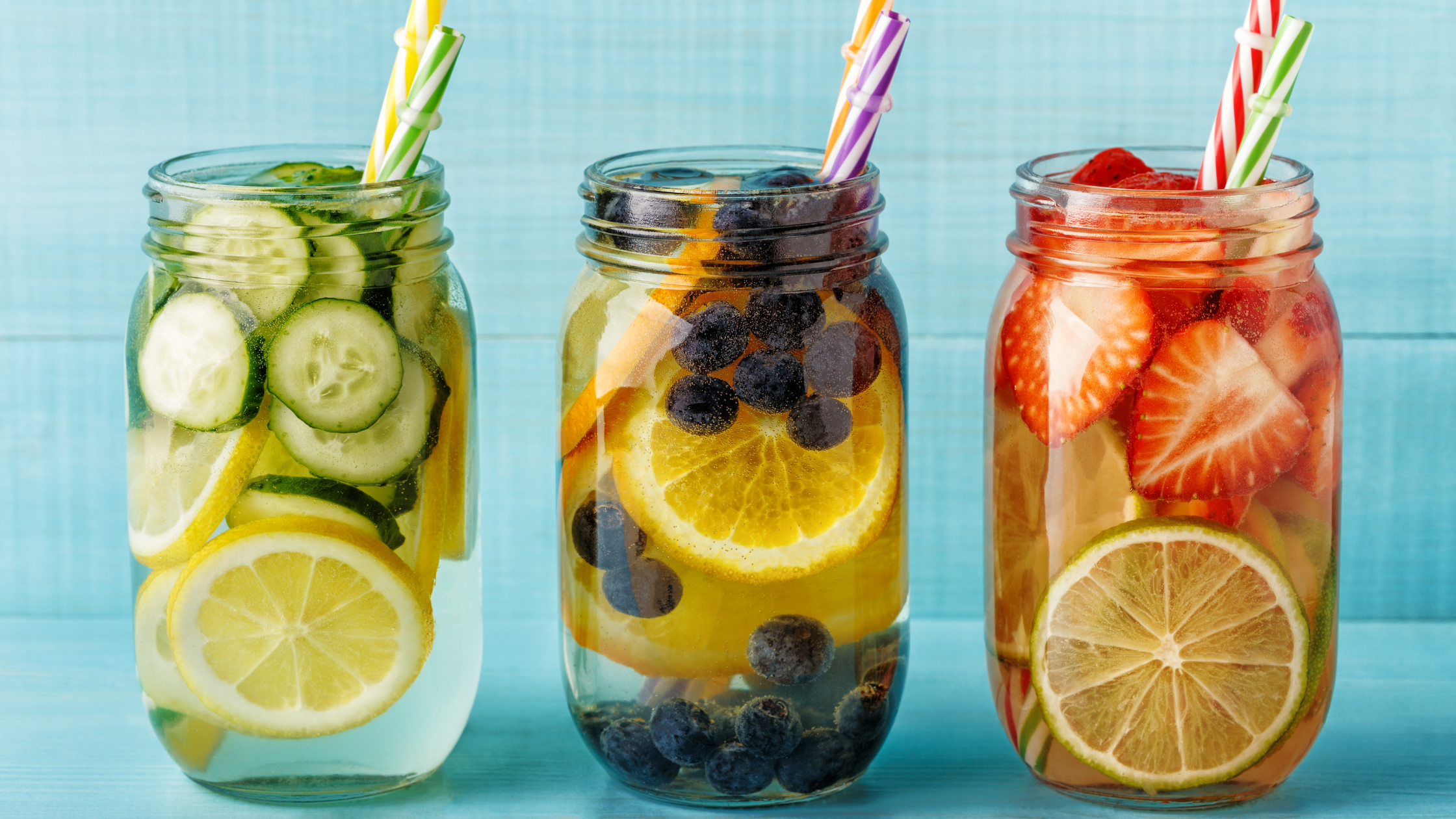
Infusions of herbs and/or fruits are another great way to achieve this. Add some fruits to a pitcher of water overnight and you’ll wake to a nutrient-rich drink - think spa water with cucumber and lemon, or mimic a store-bought flavored water with actual berries infused in filtered water.
Choose Hydrating Snacks
Between meals, add to your hydration by choosing fresh fruits or vegetables, cold-pressed juices, or sipping broth. Even on-the-go, you can sneak in some extra hydration with apples, berries, a thermos of broth, bell peppers and a yogurt-dip…
Add water-rich foods to your grocery list to make it easier to grab and go without having to think too hard on your way out the door.